
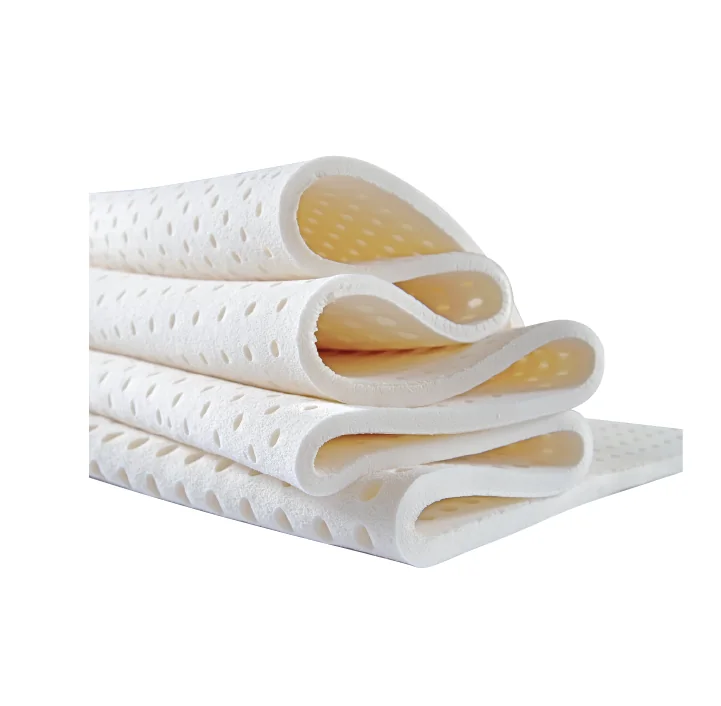
When you design a latex mattress, one of the first structural decisions is how the latex itself is built. You can use a single core, molded as one piece, or you can build the same total height from separate layers stacked on top of each other, often three. Both approaches are widely used, and both can produce an excellent mattress. The right choice depends on the feel you want, how your production line works, and how you plan to sell the finished product.
The Single-Piece Core
A single-piece core is molded as one continuous block of latex at the full height it will have in the mattress. It can be Monozone, with the same firmness across the whole surface, or zoned, with firmness varying across its length.
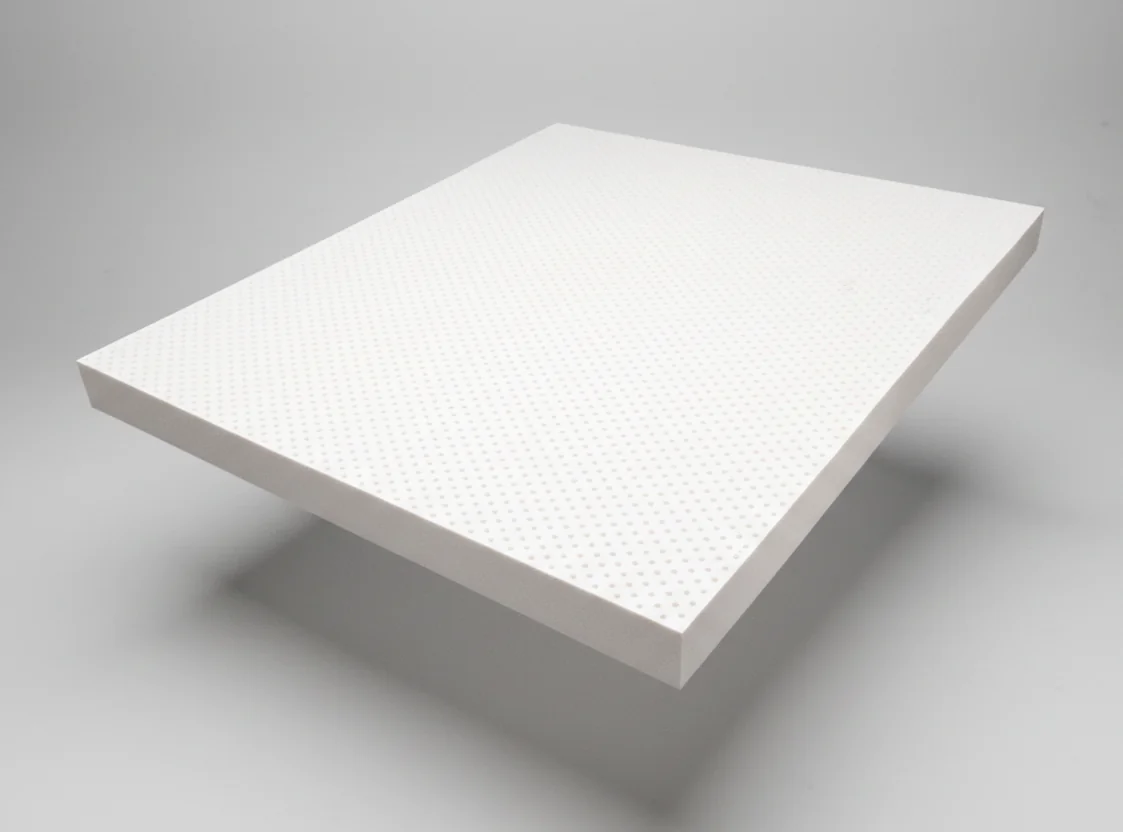
Its main advantages are simplicity and consistency. There is one component to order, receive, inspect and place, and no joins inside the latex. The feel is uniform from top to bottom, because the whole core has the same ILD, apart from any zones built into it.
The trade-off is flexibility. A single core gives you one ILD through its full height, so you cannot put a softer surface over a firmer base within the core itself. Changing the feel means specifying a different core.
The Layered Core
A layered core builds the same height from separate pieces, for example three layers of 2” or 3” each. Each layer can have its own ILD, so a common build places a softer layer on top, a medium layer in the middle, and a firmer layer at the base.
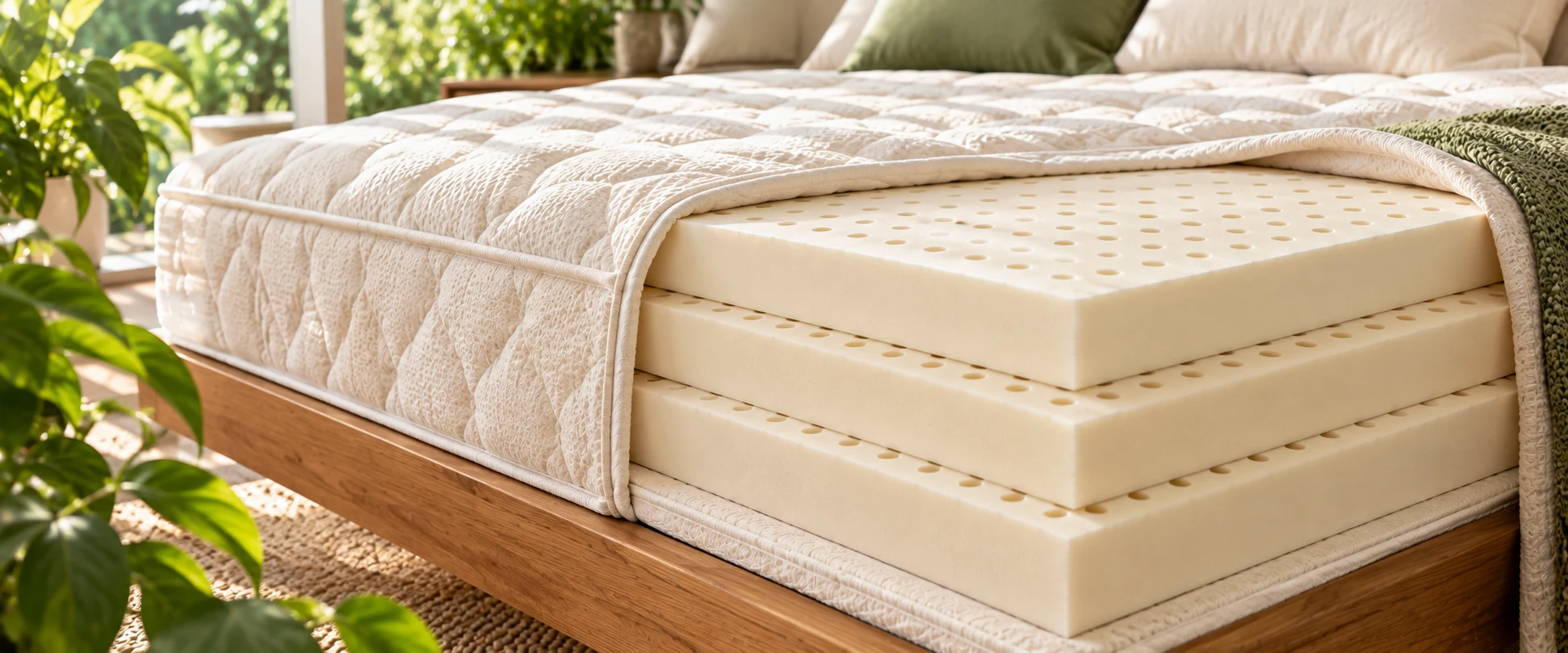
This gives you more control over feel. You can tune the surface without changing the support underneath, and you can create several models from a small set of standard layers. A range of three mattresses might share the same base and middle layers and differ only in the top layer.
Layers can be glued together during assembly, or left loose inside a zip cover. Glued layers behave much like a single core once assembled. Loose layers let the end customer swap the order of the layers to adjust the feel, which some brands use as a selling point.
The costs of this flexibility are more components to handle, more steps in assembly, and a cover that has to keep the layers aligned if they are left loose.
Where Zoning Fits
Zoning, as in our 5 Zone and 7 Zone cores, varies firmness along the length of a single piece: typically softer under the shoulders and firmer under the hips. It is most straightforward in a single-piece core, where the zones are built into the core itself. In a layered build, a zoned layer is often used as the base, with uniform comfort layers above it.
If zoning is central to how you describe your mattress, decide early which layer carries the zones, so that the zone layout lines up correctly with the head and foot of the finished product.
Side-by-Side Comparison
| Factor | Single-piece core | Layered core |
|---|---|---|
| Feel control | One ILD through the height, plus any zones | A different ILD per layer |
| Range building | A different core for each feel | Shared layers across several models |
| Assembly | One component to place | Several layers to align, and glue if bonded |
| Inventory | Fewer, larger SKUs | More, smaller SKUs, often shared across models |
| End-customer adjustment | None | Possible, if layers are loose in a zip cover |
| Handling | One heavy piece | Several lighter pieces |
Mixing Dunlop and Talalay
A layered build also allows different latex types to be combined. Some brands pair a Dunlop support layer with a Talalay comfort layer, using Dunlop’s generally denser, firmer character at the base and Talalay’s generally lighter feel at the top. Both are established materials, and the combination is a matter of the feel a brand wants rather than one being right and the other wrong.
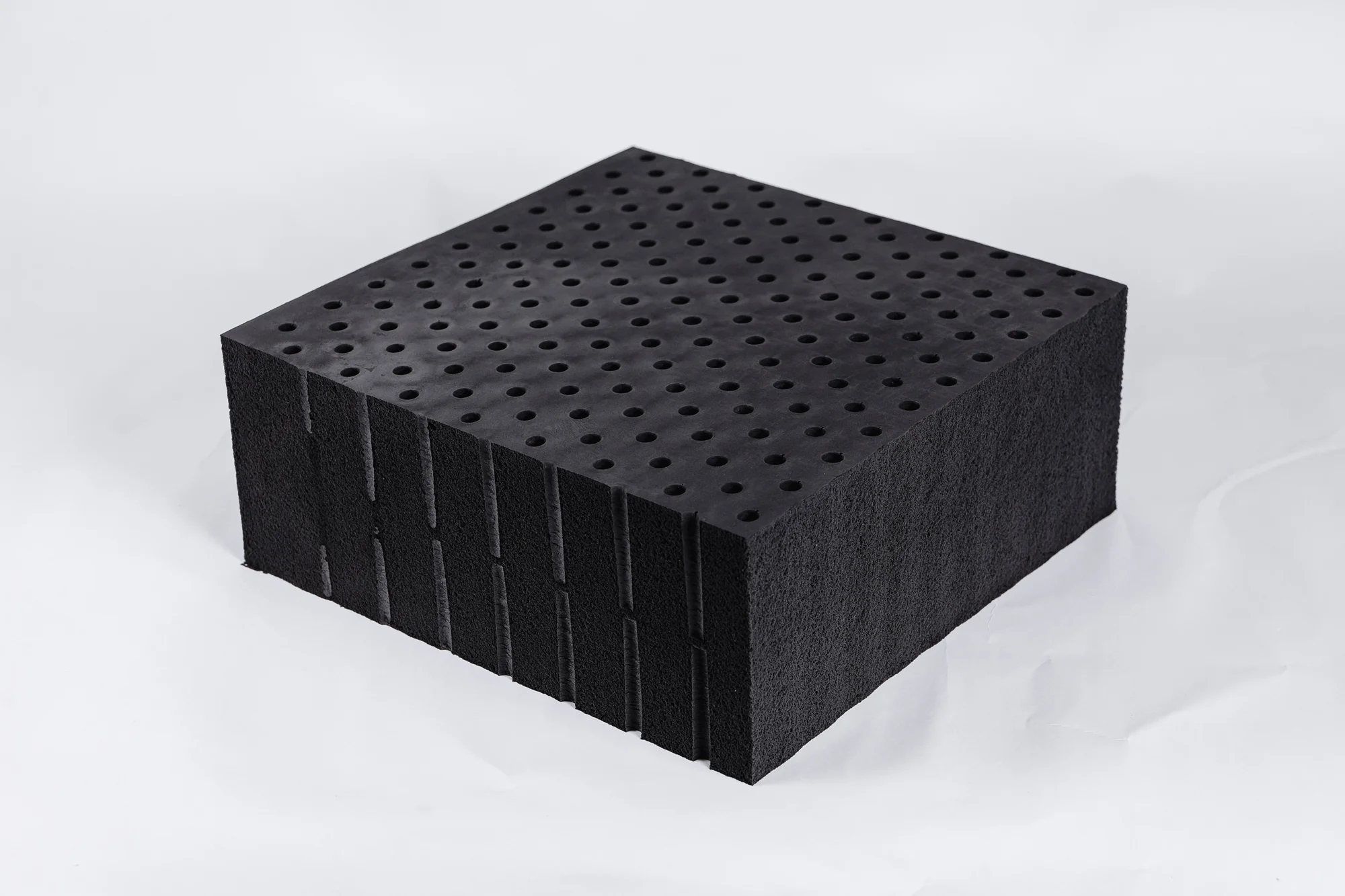
It is worth knowing that soft Dunlop is now available too. Our graphite infused Dunlop latex at D55 offers an extra soft option, which lets you build every layer from Dunlop if you prefer to keep one material throughout. See our soft latex page for details.
How to Choose
A single-piece core tends to suit brands that want a simple build, one clear feel per model, and fast assembly. A layered core tends to suit brands that want to fine-tune feel, run several models from shared components, or offer adjustable firmness to their customers.
If you are unsure, it can help to prototype both at the same total height and ILD targets, then compare them side by side before committing to a production specification.
Talk to Us About Your Build
We supply natural latex mattress cores in Monozone, 5 Zone and 7 Zone constructions, along with latex layers and sheets in a range of ILDs and thicknesses for layered builds.
Planning a new latex mattress? Request a quote with your target height, ILD and construction, or request a free sample to compare options in hand.